


Allu Arjun’s Pushpa mannerisms worked brilliantly. “Taggede Le” was widely used by movie celebrities, politicians, cricketers, and sportspersons across the world, and it all happened organically.
Raaka Marketing Faces Criticism
However, the promotional strategy for Raaka has drawn criticism from audiences who feel the team is trying to replicate the same organic impact through calculated moves.
Recently, cricketer Hardik Pandya recreated the Raaka gesture during an IPL 2026 match, creating social media buzz. While such celebrity moments can boost visibility, some netizens have questioned whether these promotional tie-ins feel forced compared to how naturally Pushpa moments went viral.
The Organic vs. Manufactured Debate
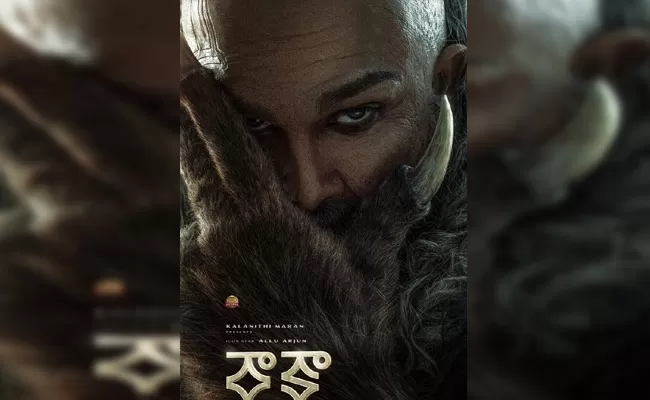
The Raaka first look reveal on Allu Arjun’s 44th birthday (April 8, 2026) promised to “shake social media,” but the response was mixed. Within a day, the buzz had notably diminished, with critics pointing out the werewolf look’s similarities to previous films like I and Shakti.
This creates a perception among audiences that the team might be pushing promotional tactics artificially, rather than letting content speak for itself.
What Made Pushpa Different?
Pushpa’s success came from authentic storytelling and memorable character traits that audiences naturally embraced. The dialogue, mannerisms, and style became part of popular culture without aggressive marketing pushes.
Lessons for Raaka
The team should focus on showcasing the film’s actual content—the story, performances, and director Atlee’s vision—which will naturally help it reach audiences across languages. With Deepika Padukone joining Allu Arjun in this sci-fi action venture, the star power and production quality should be enough to generate genuine excitement.
Rather than relying on promotional tie-ins or overpromising reveals, letting the film’s merits drive conversations will create more sustainable, organic engagement—just like Pushpa did.